Standard rectangle
The size people usually mean is 3.5 by 2 inches, the US business-card size. Say if you need a vertical layout instead of a horizontal one.
Cards
Request a quote for business card printing. Share the size, paper, quantity, and artwork so the specification can be confirmed before any cards are printed.
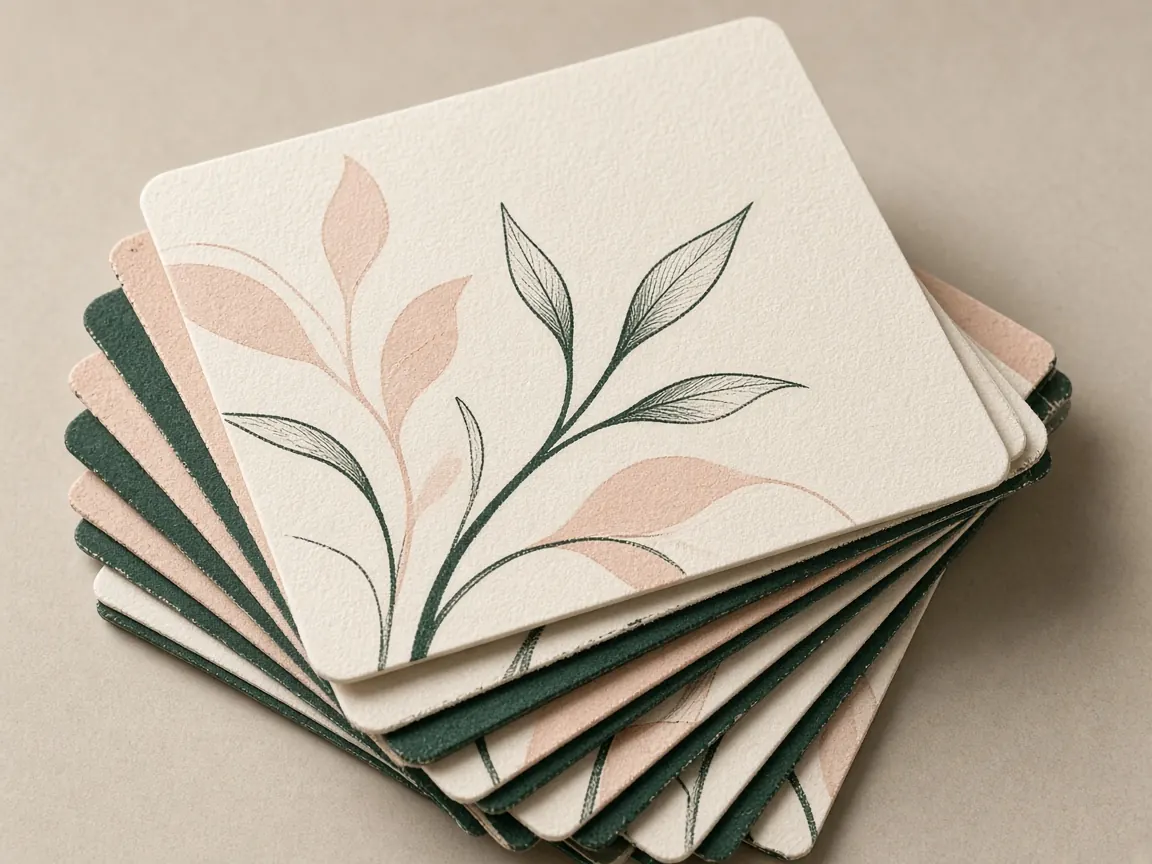
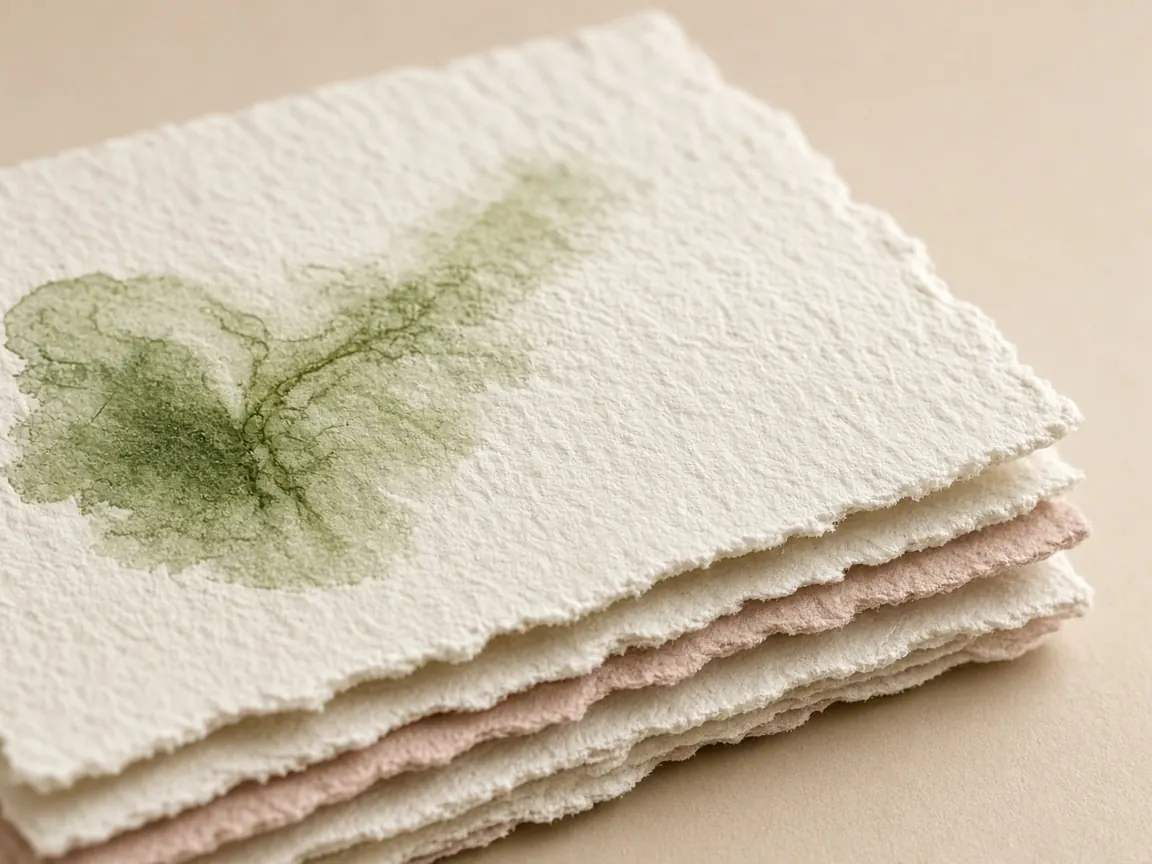
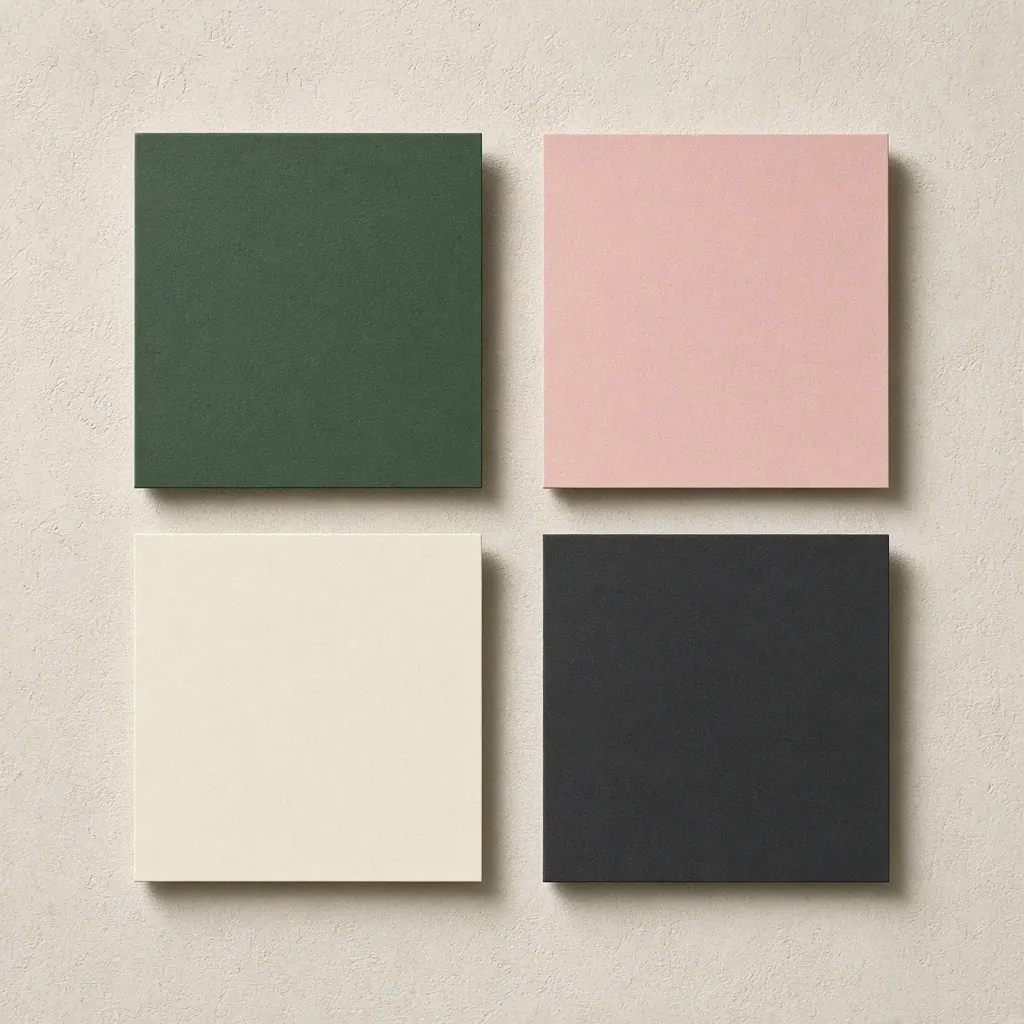
Business card printing services start with a file and a few physical choices: the cut size, the paper, the quantity, and whether the back is printed. Papriva does not show a per-card price on this page. Two jobs with the same quantity can still differ once the stock and the cut are known.
If you want a finish such as foil, edge painting, or embossing, describe it. Those are questions for the quote, not a list of finishes this page can promise. The same is true for a one-day turnaround. Timing is answered only when a job is actually reviewed.
Most requests fall into a few shapes. Pick the closest one and add anything that does not fit.
The size people usually mean is 3.5 by 2 inches, the US business-card size. Say if you need a vertical layout instead of a horizontal one.
Square cards are a different cut. Include the exact square size you have in mind, such as 2.5 by 2.5 inches, so the file can be checked against it.
A circle, a die-cut contour, or another outline needs a cut path as well as the printed art. Custom shaped business cards are quoted only when that path is described.
People use this phrase for thicker or softer stocks. Name the feel you want, or send a paper you hope to match. The quote will say whether that sheet can be used.
Write the finished size in inches. If the art bleeds off the edge, also write the bleed your file already includes. A common file setup is extra image past the trim, but this page does not reject a file automatically for using a different bleed.
Paper is part of the quote. Uncoated, smooth cover, and colored stocks behave differently with the same artwork. If both sides are printed, say so. If only the front is printed, say that too. A QR code can sit in the artwork. It does not require a separate product. Test the code yourself before you send the file.
Painted edges, foil, and letterpress texture are easy to ask for and easy to misunderstand. Put them in the project details. If they cannot be produced for that file, the reply should say so instead of quietly substituting a different card.
A PDF is the easiest file to review. Outline or embed fonts if the file is coming from a design application. Photographs inside the card are easier to judge when you also state the finished size, because resolution depends on that size.
Keep important type away from the trim. If you are not sure how much margin you used, say that in the note. Color on your screen is not a promise of color on a particular paper. Tell us whether the file is RGB or CMYK. A printed proof is a separate request, not an automatic step.
Meetings, studios, markets, and job sites. One name or several names can be in the same request if you list the versions.
A shared back and different fronts is a normal note to include. It changes how the files are checked.
Cards are often quoted next to flyer and brochure printing or a short booklet.
Letterhead, envelopes, and notepads do not have their own page. If you need them with the cards, add “business stationery” in the details and list each piece. Envelope printing depends on the envelope size and whether the art is on the face, the flap, or both. Notepads need a sheet size and a rough sheet count.
Stationery is confirmed in the same quote. Asking for it here does not create a separate order and does not guarantee every envelope size.
The quote form can open with business card printing already selected.
“250” is enough to start. “250 of three names” is better if that is the real job.
PDF, PNG, JPG, WEBP, or TIFF up to 8 MB. Leave the file off if you are only asking whether a size is possible.
The form saves a request. It does not charge a card and it does not send the job to production.
No. Business card printing on this site is quoted after the size, stock, sides, and quantity are known.
Describe it or photograph the edge and the surface in the file upload. The reply will say whether a match is realistic. It will not promise an exact mill match from a photo alone.
Do not plan on a same-day promise from this page. Ask for timing in the quote. If a short schedule cannot be met, you should hear that directly.
Send the size, the quantity, and any paper notes. If stationery belongs in the same project, list it in the details.
Request a Quote